
 Rackmount PC
 Embedded Computing
 Industrial Portable Computers
 Rugged Tablets
 Rugged Laptop
 Industrial Panel PC
 Rugged Handheld
 Advantech Industrial PC
Considerations on the compatibility of industrial computer operating systems
In the field of industrial automation, the compatibility of industrial computer operating systems directly affects the interconnection of various external devices, software and networks. This article will discuss the importance of industrial computer operating system compatibility and introduce the compatibility characteristics and relevant precautions of different operating systems.
Table of Contents
- 1. The importance of compatibility
- 2. Windows operating system
- 3. Linux operating system
- 4. Compatibility considerations
- 5. Conclusion
1. The importance of compatibility
The compatibility of industrial computer operating systems is a key factor to ensure the smooth integration and expansion of the system. An operating system with good compatibility can seamlessly connect and communicate with various external devices and software, reducing difficulties and conflicts in the integration process.
Compatibility considerations cover hardware compatibility, driver compatibility, communication protocol compatibility and other aspects.

2. Windows operating system
The Windows operating system is widely used in the field of industrial control. One of its advantages is its wide hardware compatibility. Many industrial control devices and external devices provide dedicated Windows drivers to facilitate connection with the Windows operating system.
In addition, the Windows operating system supports various communication protocols and network connection methods, making it easy to integrate with other devices and systems.

3. Linux operating system
The open source and flexibility of the Linux operating system are important reasons for many users to choose it. It has a wide range of hardware support and rich driver resources, and is compatible with various devices. At the same time, it also has strong support for network and communication protocols, and can be applied to complex system integration and expansion.
However, for users who are not familiar with Linux, learning and configuration may require a certain amount of time and technical ability.
4. Compatibility considerations
1. Hardware compatibility: Confirm the compatibility of the industrial computer operating system with the required hardware devices, including sensors, actuators, communication modules, etc.
2. Driver support: Understand whether the operating system provides drivers for related devices or cooperate with equipment suppliers to ensure that the equipment can work properly.
3. Communication protocol support: Determine whether the operating system supports the required communication protocol to ensure smooth communication between the device and the system.
4. Scalability: Consider the scalability and support capabilities of the operating system to meet the needs of future system upgrades and expansions.
5. Conclusion
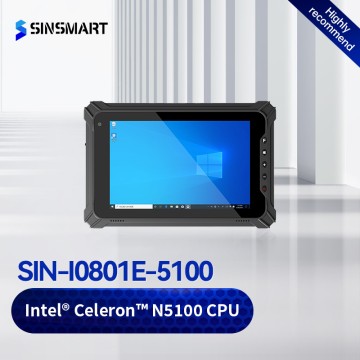
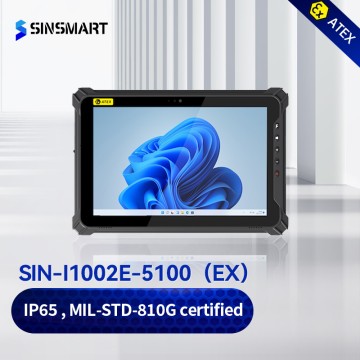
Choosing a suitable operating system can ensure the stability, reliability and functional integrity of the industrial control system, thereby improving the efficiency and security of the industrial automation system. SINSMART industrial computers can support multiple operating systems and are compatible with various versions of operating systems such as Windows and Linux. Explore our tablet industrial windows 10, rugged tablet windows 11, industrial android tablet pc, rugged Linux tablet, windows 7 rugged laptop, rugged laptop windows 10, mini pc windows embedded, industrial panel pc windows 10, etc.






LET'S TALK ABOUT YOUR PROJECTS
- sinsmarttech@gmail.com
-
3F, Block A, Future Research & Innovation Park, Yuhang District, Hangzhou, Zhejiang, China
Our experts will solve them in no time.